Back Pressure and Performance: How It Really Affects Your Harley-Davidson Exhaust System
If you’ve recently upgraded the exhaust on your Harley-Davidson® and expected instant power gains, you’re not alone. Swapping out the stock pipes is one of the most common mods riders make—but it’s also one of the most misunderstood when it comes to back pressure, horsepower, and torque.
Let’s break down the facts about back pressure and how it really impacts your bike’s performance—and show you a surprisingly cheap DIY trick to improve low-end torque if you’re running a non-baffled exhaust.
Does Reducing Back Pressure Increase Horsepower?
Not automatically.
There’s a common myth that less back pressure = more power. But without proper tuning, that’s not the case. If you remove too much restriction from the exhaust without adjusting your fuel system, your engine will likely run lean—and you could lose 5–10% of your horsepower.
To unlock actual performance gains with an aftermarket exhaust, you’ll need:
Only then can your bike produce maximum horsepower from that improved exhaust flow.
What’s the Difference Between Maximum Horsepower and Usable Power?
Even if two bikes make similar peak horsepower, how they deliver it can feel totally different.
The shape of the torque and horsepower curves matters more than just the peak number. A pipe that helps create a broader curve—especially in the RPM range you ride most—delivers more usable power and a better real-world experience.
Here’s a simplified example of what typically happens with a non-baffled exhaust:
-
The horsepower curve starts off slow at low RPMs
-
Gains increase as RPMs rise past mid-range
-
Max horsepower is reached at high RPM
-
After peak, the power drops off quickly
This means poor low-end torque—exactly where most street riders need power the most.
How Can You Get More Low-End Torque with a Non-Baffled Exhaust?
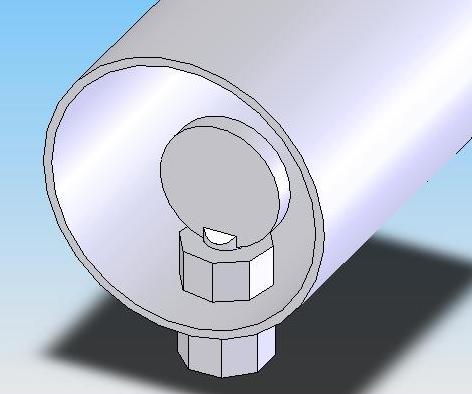
Good news: there’s a DIY solution that costs less than a dollar and can give you back some of that lost torque. This simple hack creates a tunable restriction inside your exhaust that improves low-end power without killing top-end performance.
Step-by-Step: Build a Tunable Exhaust Baffle for Under $1
What You’ll Need:
How to Install It:
-
Drill a ¼" hole about 1" into your head pipe, where the slip-on exhaust starts.
-
Assemble your DIY baffle by placing the nut and lock washer on the bolt or thumbscrew (away from the washer/flat head).
-
Insert the baffle into the hole, with the washer aligned to control airflow.
Tuning Tip:
You can adjust performance by changing the angle of the washer relative to the pipe:
-
90° angle (perpendicular) = Max low-end torque
-
45° angle = Balanced power and torque
-
0° angle (parallel) = Max horsepower, least restriction
Real-World Results: What the Dyno ShowsAccording to testing from Bike Tech via Nightrider.com, here’s how different washer positions affected performance:
·
Run
5 – 90° Washer:
Highest low-end torque (2,500–4,000 RPM), lowest peak horsepower
Best for
everyday street riding
·
Run
6 – 45° Washer:
Maintains solid low-end, reduces horsepower drop at 3,000–4,000 RPM
Best overall
balance of power and torque
·
Run
7 – Parallel Washer:
Highest max horsepower, but large torque drop just above 3,000 RPM
Best for
high-speed performance, not daily riding
FAQs About Back Pressure and Harley Exhaust TuningQ: Will removing back pressure always make my bike faster?
No. Without tuning, a free-flowing exhaust can actually reduce usable power and torque, especially in the low-to-mid RPM range. Q: How can I get better low-end torque with aftermarket pipes?
Try a tunable baffle like the washer trick described above. For optimal results, pair with proper tuning and/or a performance baffle from TAB Performance. Q: Is this washer trick safe for my engine?
Yes, when installed properly, it simply adds controlled restriction to improve airflow dynamics—not block it. Q: Should I still tune my bike if I do this?
Absolutely. Proper fuel tuning is key to making the most of any exhaust mod.
Upgrade Wisely, Ride PowerfullyBack pressure isn’t your enemy—but poor tuning and misunderstanding it might be. At TAB Performance, we design exhaust systems and baffles that balance airflow and power without losing real-world rideability.
👉 Shop TAB Performance Baffles and Exhaust Systems to unlock more torque, horsepower, and control—no guesswork required.
|

