Home > BRAP Blog > TAB Talks > TAB Talks: Back Pressure and Motorcycle Performance

Backpressure for Better Performance? The Truth About Motorcycle Exhaust Systems

When it comes to enhancing motorcycle performance, you’ve likely heard debates surrounding back pressure in exhaust systems. Many riders assume that back pressure is key to improving engine efficiency and power. But the truth might surprise you. Back pressure doesn't help your engine—in fact, it can do more harm than good.

If you want to maximize your motorcycle’s performance, forget the myths about back pressure and focus on what really matters: flow velocity. Read on as we break down the misconceptions, explain how exhaust systems actually work, and show you the right way to achieve peak performance.

Debunking Motorcycle Backpressure: What you need to know

Debunking the Back Pressure Myth

What Is Back Pressure?

Back pressure refers to the resistance that exhaust gases encounter as they exit your bike’s engine. Imagine using a bicycle pump to inflate a ball. At the start, air flows easily, but as pressure builds, it requires greater effort. Similarly, when exhaust gases meet resistance within the exhaust system, your engine works harder to push them out.

Does Back Pressure Help or Hurt Performance?

Contrary to popular belief, back pressure doesn't enhance performance. Here’s why:

  • Engine strain: When exhaust gases can’t flow freely, the engine has to work harder, reducing efficiency.
  • Reduced horsepower: Excess back pressure restricts power output, limiting your bike’s potential.
  • Long-term damage: Prolonged engine stress caused by back pressure can lead to wear and tear, increasing maintenance costs and shortening the engine’s lifespan.

The bottom line? Back pressure isn’t your friend. It hampers your engine’s efficiency and performance rather than improving it.

The Importance of Flow Velocity

What Is Flow Velocity?

Flow velocity refers to the speed at which exhaust gases are expelled from the engine. Unlike back pressure, maximizing flow velocity enhances performance by ensuring that gases leave the combustion chamber efficiently. This reduces engine strain and enables smoother operation.

Benefits of High Flow Velocity

Here’s how improving flow velocity impacts your motorcycle's performance:

  • Boosts horsepower and torque: Faster removal of exhaust gases allows for a more efficient combustion cycle, increasing power.
  • Improves fuel efficiency: With less energy wasted on pushing exhaust out, your engine operates more effectively, using fuel more economically.
  • Enhances throttle response: A properly optimized exhaust system delivers quicker and smoother acceleration.

Achieving Optimal Flow

There’s no one-size-fits-all solution for maximizing flow velocity. Each motorcycle has a unique engine setup, so optimizing performance often requires custom tuning and adjustments to the exhaust system, air intake, and other factors.

How to Improve Your Exhaust System Performance

Factors That Affect Flow Velocity

  1. Exhaust Pipe Design: The shape, length, and diameter of your exhaust pipes play a significant role in gas flow. Wide pipes can reduce velocity, while narrow pipes may overly restrict flow. Finding the right balance is key.
  2. Muffler Selection: High-performance mufflers are designed to improve flow without excessive noise, offering a win-win for riders who want power and comfort.
  3. Header Configuration: Headers affect how gases collect from individual cylinders. Well-designed headers can significantly improve exhaust system efficiency.
  4. Tuning: Proper tuning ensures all components—from fuel injection to air intake—work together for optimal performance.

Common Mistakes to Avoid

  • Relying on oversized exhaust pipes, which can reduce flow velocity.
  • Ignoring the importance of a high-flow air intake, which complements the exhaust system.
  • Attempting DIY modifications without understanding the effects on your bike's performance balance.

Why Expert Guidance Matters

Improving your motorcycle’s exhaust system isn’t as simple as swapping out parts. Precision is crucial to avoid issues that could hurt performance or cause engine damage. That’s where professional advice comes in.

At TAB Performance, we not only specialize in motorcycle exhaust systems , but we also offer expert insights tailored to your specific bike and performance goals. Whether you’re looking for a quick performance boost or a full system upgrade, our team can help you make the right decisions.

Debunking Myths and Boosting Performance Safely

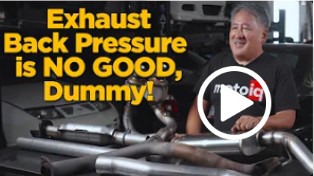
Still not sure about back pressure and motorcycle performance? Watch this video, “Exhaust Back Pressure is NO GOOD, Dummy!”, to see the evidence for yourself. They demonstrate why flow velocity—not back pressure—is the key to unlocking your bike’s potential.

Exhaust Back Pressure is NO GOOD, Dummy!

Contact TAB Performance for Guidance

Got questions about optimizing your exhaust system? Whether you’re concerned about back pressure or exploring performance upgrades, TAB Performance is here to help.

Reach out today:

Explore More

Discover our range of high-quality, high-performance motorcycle products. From custom exhaust systems to other performance-enhancing accessories, we’ve got everything you need to take your ride to the next level.

Ride Smart, Ride Strong

When it comes to motorcycle performance, it’s not about working harder; it’s about working smarter. Ditch the myths about back pressure and focus on proven methods to enhance engine efficiency, horsepower, and torque. With TAB Performance by your side, your bike will perform better than ever.

Ride safe. Ride proud. Ride with TAB Performance.

FAQs About Motorcycle Back Pressure and Exhaust System Performance


1. What is back pressure in a motorcycle exhaust system?

Back pressure refers to the resistance exhaust gases face when leaving the engine. It occurs when exhaust flow is restricted by the exhaust system, causing the engine to work harder.

2. Does back pressure improve motorcycle performance?

No, back pressure does not improve performance. Excess back pressure reduces exhaust flow, strains the engine, and can decrease horsepower, torque, and fuel efficiency.

3. Why is back pressure harmful to motorcycles?

Back pressure forces your engine to work harder to expel exhaust gases. This can lead to reduced efficiency, increased wear and tear, and even long-term engine damage.

4. What is flow velocity, and how does it affect performance?

Flow velocity is the speed at which exhaust gases exit the engine. High flow velocity improves performance by minimizing engine strain, maximizing combustion efficiency, and increasing horsepower and torque.

5. How can I maximize flow velocity in my motorcycle’s exhaust system?

Optimizing flow velocity involves using properly tuned exhaust systems, selecting the right pipe diameter and design, and ensuring all exhaust components work together efficiently.

6. Are wider exhaust pipes always better?

No. While wider pipes reduce back pressure, they can lower flow velocity if they are too big for your engine. The key is finding the right balance for your motorcycle.

7. What role does tuning play in exhaust system performance?

Tuning ensures all components of your bike, from the engine to the exhaust system, work in harmony. Proper tuning can improve fuel efficiency, throttle response, and overall performance.

8. Should I replace or modify my exhaust system to improve performance?

It depends on your bike’s setup and performance goals. Consulting a professional can ensure any upgrades or modifications are tailored to your specific needs.

9. Can excess back pressure damage my engine?

Yes, prolonged back pressure can strain the engine, leading to overheating, reduced efficiency, and long-term mechanical issues requiring costly repairs.

10. Are high-performance exhaust systems worth it?

Yes, high-performance systems are designed to optimize flow velocity, reduce restrictions, and enhance both power and efficiency. They also often add aesthetic and acoustic appeal to your bike.

11. What is the difference between back pressure and flow velocity?

Back pressure is the resistance to exhaust flow, which hinders performance. Flow velocity, on the other hand, focuses on how quickly exhaust gases exit the system, which enhances engine efficiency and power.

12. What factors affect exhaust flow velocity?

Flow velocity is influenced by the exhaust pipe diameter, length, design, and muffler. A properly designed exhaust system ensures optimal gas flow.

13. How can I tell if my motorcycle has excessive back pressure?

Signs include poor throttle response, reduced power output, increased fuel consumption, and overheating of the engine.

14. Can I address back pressure issues myself?

While minor adjustments can be made at home, significant modifications or diagnosis should be handled by a professional to avoid damaging your motorcycle.

15. Where can I go for expert advice on motorcycle exhaust systems?

TAB Performance specializes in optimizing motorcycle performance. Contact our experts for tailored solutions and high-quality exhaust systems designed to maximize your bike’s potential.

16. Does reducing back pressure increase noise levels?

Not necessarily. A high-quality muffler or exhaust system can minimize noise while maintaining optimal flow velocity and reducing back pressure.

17. Is flow velocity more important for racing motorcycles?

Flow velocity is crucial for all motorcycles, but it plays an even bigger role in racing bikes where peak performance, power, and acceleration are priorities.

18. How does back pressure affect fuel efficiency?

Excessive back pressure forces the engine to use more fuel to overcome restrictions, leading to higher fuel consumption and reduced efficiency.

19. What is the best exhaust system for my motorcycle?

The best exhaust system depends on your bike’s engine configuration and your specific performance goals. TAB Performance offers a range of options to suit different motorcycles and riding styles.